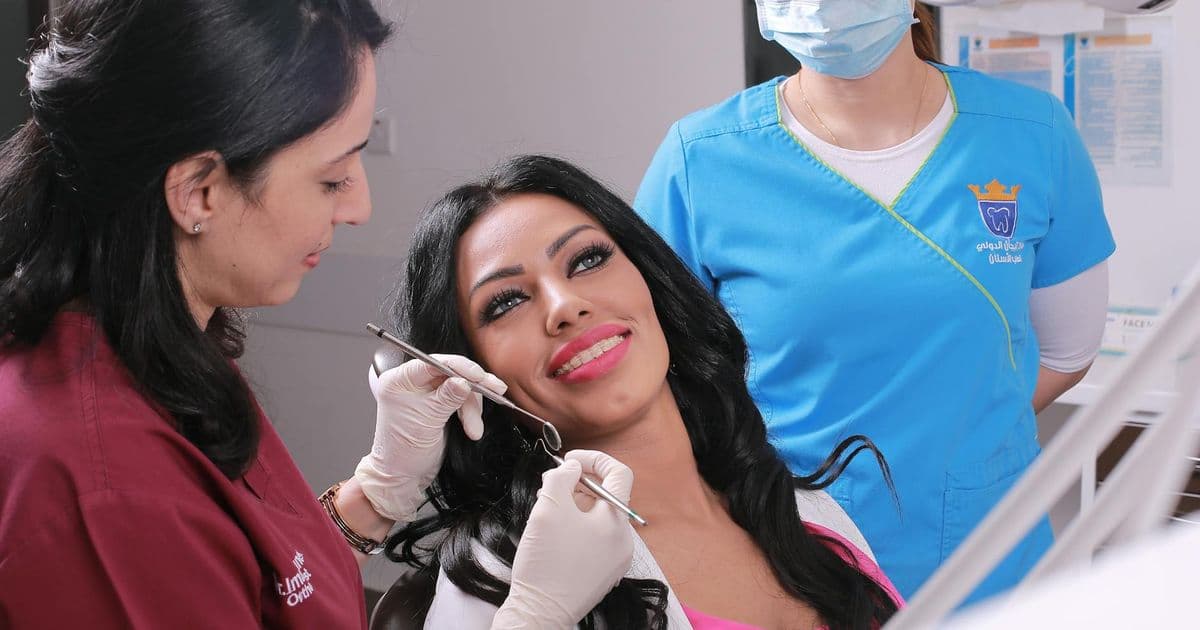
Saudi Arabia's dental market is one of the fastest-growing healthcare segments in the GCC. Aesthetic dentistry demand has surged alongside a broader wellness culture shift, Vision 2030's medical tourism push has drawn patients from neighbouring markets, and the spread of cooperative health insurance has created a two-tier patient base — insured patients comparing network options and cash-paying patients comparing price transparency across clinics. That combination produces a review environment unlike any other healthcare vertical: patients are opinionated, price-sensitive, and increasingly sophisticated about what good dental care looks like.
What KSA dental patients actually review
Understanding what drives dental reviews in Saudi Arabia is the first step to managing them. The patterns are distinct from general clinics and from international dental markets.
Consultation honesty about the treatment plan. KSA dental patients have become markedly more informed about treatment options — implants versus bridges, composite versus porcelain veneers, extraction versus root canal. Patients who feel a consultation oversimplified their options, or that the recommended treatment turned out to be more extensive (and expensive) than described, leave detailed negative reviews. The complaint is not always about the clinical outcome — it is about whether the dentist was transparent before treatment began. Phrases like "they didn't explain all the options" and "I found out later that there was a cheaper alternative" appear consistently in Arabic dental reviews on Google Business Profile.
Pain management during and after the procedure. Pain management expectations vary significantly across Saudi Arabia's patient demographics. Patients who experienced unexpected procedural pain — particularly during extraction, scaling, or implant placement — frequently mention it in reviews. The review usually distinguishes between "the dentist was skilled but the anaesthesia wore off mid-procedure" and "the dentist was rough." Knowing which complaint you are dealing with changes the reply register entirely.
Women-doctor availability. A meaningful segment of Saudi female patients will only see a female dentist for any procedure beyond a routine check. Clinics that are unclear about which practitioners are available on which days, or that book a female patient with a male dentist without prior consent, generate avoidable negative reviews. This is not a clinical complaint — it is a scheduling and communication failure that lands publicly.
Price transparency versus hidden add-ons. The insurance-versus-cash dynamic creates particular friction. Insured patients who arrive expecting full coverage and are told at checkout that certain items — protective fluoride coating, specific composite brand, post-procedure medication — are not covered, write reviews describing a billing surprise. Cash patients comparison-shopping across Riyadh, Jeddah, and Dammam clinics are equally attentive to whether the quoted price reflected the final invoice. "The price on the phone was not the price they charged" is a recurring theme.
Follow-up cadence. Dental treatment often extends across multiple appointments. Patients who receive no follow-up call after an extraction, a root canal, or a new set of aligners — particularly when they experienced discomfort — feel abandoned. The absence of follow-up contact converts a manageable post-procedure concern into a public review.
For the mechanics of building reply systems for these complaints, see the guide on one-star Arabic reply templates which covers the tone register and structure for healthcare complaints specifically.
Regulatory constraints on public reply content
This is the section most dental clinic managers do not read until after they have made a mistake. Saudi Arabia's healthcare regulatory framework places hard limits on what a clinic can say in a public forum — including in a Google Business Profile reply.
Ministry of Health (MOH) licensing obligations. Every dental facility operating in Saudi Arabia holds an MOH licence. That licence comes with operating standards that include patient confidentiality provisions. MOH licensing conditions are not soft guidelines — a public reply that inadvertently discloses patient information can be flagged as a licensing violation. The fact that the patient chose to write a public review does not create permission for the clinic to discuss that patient's care publicly.
Saudi Commission for Health Specialties (SCFHS) practitioner registration. All licensed dental practitioners in Saudi Arabia must hold current SCFHS registration. When a review disputes a practitioner's competence or implies their qualifications are in doubt, the natural defensive instinct is to name the practitioner and confirm their credentials. This instinct is understandable but risky. Naming a practitioner in a public reply links a specific individual to a specific patient complaint, which creates a chain of disclosures even when no clinical information is mentioned. Confirm institutional standards, not individual-patient pairings.
Never name the patient in a public reply. This rule seems obvious but is routinely violated, sometimes subtly. Addressing a reply to "Dear [first name]" is not just informal — if the name is distinctive, it confirms the identity of a patient who disclosed a health-related experience in their review. Use "Dear patient" or "Dear valued guest" or no salutation at all.
Never confirm procedure details. Even when the patient's review describes their procedure explicitly, your reply must not confirm, deny, or add to that description. If a review says "I had three root canals in one session and it was terrible," the correct reply acknowledges the experience described without repeating or confirming the clinical detail. "We are sorry to read about your experience and take all concerns about our clinical standards very seriously" is the correct level of specificity.
Never compare with another clinic publicly. KSA dental patients who comparison-shop sometimes name competing clinics in reviews ("I went to [Competitor Clinic] first and they quoted half the price"). A reply that responds to or comments on a competitor in any way — even to explain your own pricing rationale — creates unnecessary legal exposure and reads as defensive to other patients browsing your profile. Ignore the mention of competitors entirely; respond only to what concerns your own standards.
MOH and SCFHS escalation paths. If a patient has formally escalated a complaint to MOH or SCFHS, do not engage the specifics of that complaint in any public forum. Your public reply should only confirm that you have a formal complaints process and that any regulatory inquiry will be handled through the appropriate channels. All substantive communication should move offline and, where relevant, through legal counsel.
For how these dynamics intersect with local search visibility, see local rank signals in Saudi Arabia — the interaction between review volume, reply rate, and Google's local algorithm applies to dental clinics as much as any other service vertical.
Reply templates by complaint type
These templates are designed for the specific complaint patterns described above. All use privacy-aware placeholders. Adapt the tone to match your clinic's voice, but do not add clinical specifics even if the original review contains them.
Treatment-plan dispute — patient feels options were not explained.
"Thank you for taking the time to share your experience. We understand how important it is to feel fully informed before any treatment decision, and we are sorry to read that this was not your experience with us. Our clinical team reviews all consultations to ensure patients receive a clear explanation of their options and associated costs. We would welcome the opportunity to speak with you directly — please contact us at [clinic contact] so we can understand your concerns in more detail and make this right."
Pain experience during or after a procedure.
"We are sorry to read about the discomfort you experienced. Pain management is a core part of our clinical standards and we take any account of unexpected pain seriously. We would appreciate the opportunity to review what happened and ensure we have addressed your wellbeing properly. Please reach out to us at [clinic contact] at your earliest convenience."
Billing surprise — discrepancy between quoted and final price.
"Thank you for raising this. Price clarity is something we work hard to maintain, and we apologise if the final invoice did not reflect what was communicated to you at the outset. We would like to review this with you directly. Please contact our patient services team at [clinic contact] with your appointment details so we can investigate and resolve this promptly."
Follow-up gap — no contact after a procedure.
"We appreciate your feedback and we are sorry that you did not receive the follow-up contact you should have after your procedure. Post-treatment follow-up is part of our standard of care, and we clearly fell short here. Please reach out to us at [clinic contact] and we will ensure you receive the attention your case requires."
Technician or practitioner switch without notice.
"Thank you for bringing this to our attention. We understand how important continuity of care is, especially when you have built a relationship with a specific member of our team. Any change in your care team should be communicated to you in advance, and we apologise that this was not done in your case. Please contact us at [clinic contact] so we can discuss your concerns and ensure your future care meets your expectations."
Insurance coverage dispute.
"We are sorry for the confusion around your insurance coverage. Navigating the intersection of insurance approvals and clinical recommendations can be complex, and we recognise this is frustrating when it affects your out-of-pocket costs. Please contact our billing team at [clinic contact] with your insurance details — we will review the claim and clarify exactly what was covered and why."
Pitfalls specific to dental clinic review management
Even well-intentioned replies create problems when they make predictable mistakes.
Privacy breach via too much detail. The most serious error in dental clinic replies is including any clinical detail in a response to a negative review — even to defend the clinic's position. "Our dentist performed the procedure correctly" is a confirmation that the patient had a procedure, at your clinic, with a specific outcome. Under MOH confidentiality obligations, this is a disclosure. The defensive instinct to prove clinical correctness in public is understandable, but the correct forum is a private complaint process, not a GBP reply.
Treatment-result defensiveness. A subset of dental reviews make clinical claims: "the crown fell off after two weeks" or "the whitening caused permanent sensitivity." Defending treatment outcomes in public — "our materials meet ISO standards" or "that level of sensitivity is within the normal range" — reads as dismissive and escalates rather than resolves. Acknowledge the concern, invite private communication, and address the clinical question offline. Public defensiveness about outcomes rarely satisfies the original reviewer and frequently deters prospective patients reading the thread.
Ignoring MOH and SCFHS escalation paths. When a review mentions a formal complaint or regulatory escalation, many clinics either ignore the review entirely or reply as if the escalation were not mentioned. Both responses are wrong. Ignoring the review signals that formal complaints are not taken seriously. Engaging the substance of the complaint in public when a regulatory inquiry is underway creates risk. The correct response is brief: acknowledge the concern has been received, confirm your complaints process, and indicate that regulatory inquiries are handled through the proper channels. Nothing more.
English-only replies to Arabic reviews. Saudi dental patients write most of their reviews in Arabic. A reply in English to an Arabic review tells the reviewer — and every prospective patient browsing the profile — that the clinic's patient communication does not extend to Arabic-speaking patients as a priority. This is particularly damaging for clinics marketing to local Saudi patients rather than expat communities. Reply language should match review language, without exception.
Treating all negative reviews as identical. A billing complaint and a pain management complaint require different reply registers. A billing complaint calls for an acknowledgement of the pricing confusion and a clear path to resolution. A pain management complaint calls for empathy and a clinical care signal. Using a generic apology template for both signals to the reader that nobody actually read the review — which is sometimes true, and always a reputational cost.
For a structured approach to the mechanics of managing multiple complaint streams simultaneously, see how Taqymat's onboarding process helps multi-branch clinics build unified reply workflows across all their GBP listings.
What to do next
Start by auditing your last 30 Google reviews for complaint pattern frequency. Identify the two or three themes that recur most — treatment plan disputes, billing surprises, follow-up gaps — and build dedicated reply templates for each. Keep the templates in a shared document accessible to whoever manages your profile, with a clear note on which categories require immediate escalation to clinic management versus which can be handled at the front-desk level.
Then address the structural issues that generate the reviews in the first place. If billing surprises are your dominant complaint, that is a pre-treatment communication failure, not a review management problem. If pain management complaints cluster around a specific procedure or practitioner, that is a clinical operations issue. Reviews are data — the pattern they reveal is more valuable than any individual reply.
Finally, confirm your reply protocol covers Arabic. If it does not, fix that before anything else.