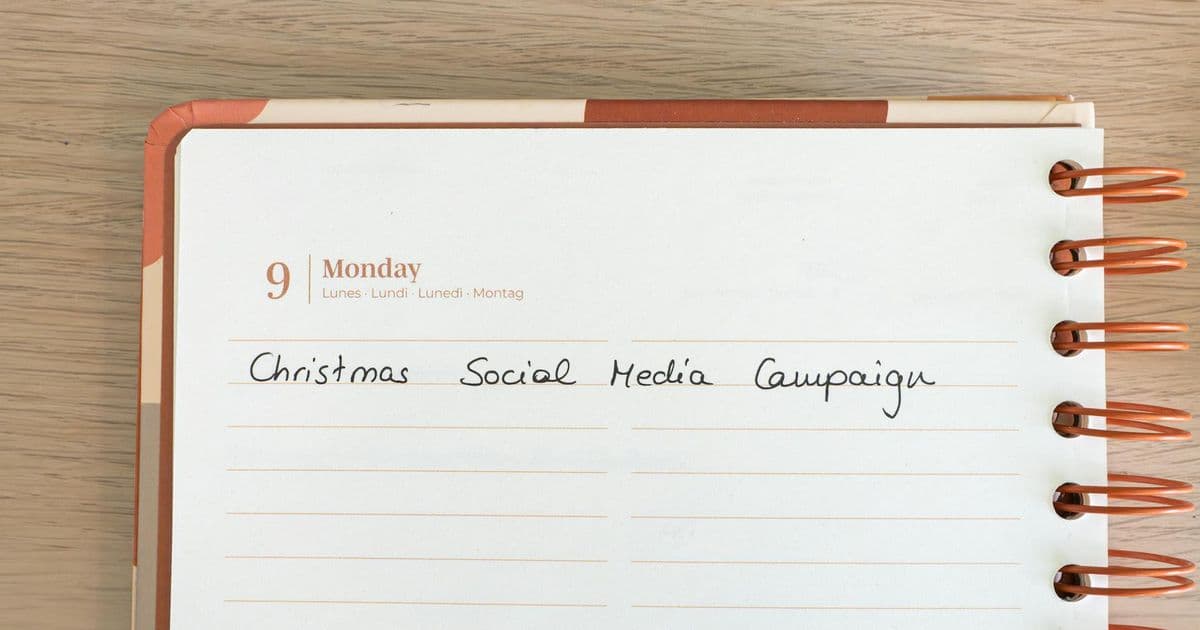
Riyadh operators that publish Google Posts two to three times per week are consistently pulling higher knowledge-panel impressions than comparable businesses that post sporadically or not at all. The gap is not marginal — active Riyadh listings in competitive categories like restaurants, cafes, and medical clinics average 1,200 to 2,800 monthly panel impressions, while dormant listings in the same categories often sit below 900. The difference is cadence, not luck. This guide explains what a Google Post actually is, why Riyadh has its own publishing rhythm, which post types move the needle, and which mistakes undo the work.
What a Google Post is — and how long it actually lives
A Google Post is a short-form content card that appears inside your Google Business Profile knowledge panel — the information box that appears when someone searches your business name or a relevant local query. Posts can include an image, up to 1,500 characters of body text, and an optional call-to-action button that links to a URL you choose.
The critical detail most Riyadh operators miss is the 7-day visibility window. Standard Update and What's New posts are actively displayed in the knowledge-panel carousel for approximately 7 days from publication. After that they do not disappear, but they drop out of the prominent position and into an archive section that almost no visitor scrolls to. Offer posts with a defined end date remain visible and active until the offer expiry — which is one reason the offer format outperforms the generic update for time-sensitive promotions.
Placement differs across devices in ways that matter for a Riyadh audience. On mobile, which accounts for over 85 percent of local searches in Riyadh, the Post card appears below the reviews summary and above the Q&A section in the knowledge panel. The card is visible without scrolling on screens larger than 5.5 inches, which covers the majority of the market. On desktop, Posts appear further down the panel and below the photos carousel, meaning desktop users are less likely to see a Post without intent. Since most Riyadh consumer searches happen on mobile — often during commutes on King Fahd Road or during the evening social window — optimising for the mobile panel placement is not optional.
The knowledge panel itself renders differently across Riyadh districts. In high-competition zones like Olaya and Al Malaz, where category density is highest, the panel tends to show more content because Google infers stronger user intent. KAFD and the Diplomatic Quarter have a higher proportion of English-language searches from the expatriate workforce, which means bilingual post strategy becomes relevant there in a way it is less so in Al Nakheel or Al Muruj. For a fuller breakdown of how local signals compound at the listing level, see the guide on local rank signals in Saudi Arabia.
The Riyadh-specific cadence that works
The standard global advice — "post consistently" — is correct but too vague to be useful in Riyadh. The Saudi work week, prayer time patterns, and the calendar of major religious and national events all shape when people are searching and what they are searching for. A cadence that ignores this context will underperform.
The baseline cadence for most Riyadh operators is three posts per week, timed as follows.
Sunday: operations preview post. The Saudi work week begins on Sunday. This is when search intent pivots toward planning — people are looking for where to have lunch meetings, which café near the office is worth visiting this week, whether a new promotion is running. A Sunday post that highlights your week's offer, new menu item, or special event anchors your listing at the start of high-intent browsing. Publish this post between 9 am and 11 am to capture the late-morning search spike.
Wednesday: offer or deal post. Midweek is when promotional intent peaks. Consumers in Riyadh who are planning a Thursday evening outing or a family dinner during the weekend begin searching on Wednesday evening. An offer post — not a generic update — with a defined discount, a start date, and an end date outperforms all other post formats in this slot. Attach a CTA button linking to your menu, booking page, or WhatsApp contact. This is the highest-leverage post in the weekly cycle.
Thursday: weekend prep post. Thursday is the last workday before the Saudi weekend (Thursday evening and Friday). Search volume for restaurants, cafes, entertainment venues, and family-friendly businesses spikes between 2 pm and 7 pm on Thursdays. A post that speaks directly to the weekend experience — a family section highlight, a Friday brunch menu, a weekend offer for Riyadh families — captures this window. Businesses in Al Nakheel, Hittin, and Al Yasmeen — high residential density areas with large family household profiles — see particularly strong Thursday afternoon engagement.
Ramadan adjustment. During Ramadan, the entire daily rhythm shifts. The Sunday preview post moves to Saturday evening to capture the pre-Ramadan planning window. The midweek post shifts focus entirely to iftar — timing, location, group bookings, and special Ramadan menus. Publish iftar posts between 3 pm and 4:30 pm so they index before the Maghrib prayer and the subsequent search rush. Suhoor posts work well in the 10 pm to 11 pm window. Businesses that maintain their standard cadence without adjusting the content or timing during Ramadan leave significant impressions on the table.
Eid Al-Fitr and Eid Al-Adha. In the week leading up to each Eid, publish a dedicated event post with your special offers, adjusted hours, and any booking requirement. Eid search volume in Riyadh spikes sharply in the 5 days before each holiday. National Day (September 23) follows a similar pattern — operators with a National Day post live 4 to 5 days before the holiday see a measurable impressions lift over those who post on the day itself.
Post types that actually perform in Riyadh
Not all post formats are equal, and the hierarchy in Riyadh skews differently from global averages.
Offer posts with a CTA button outperform generic Update posts by a wide margin. An offer post with a discount, a defined validity window, and a button that links to a booking page or menu drives panel engagement because it gives the viewer a clear action. Generic updates without a button function more like static content — they fill the post slot but do not pull clicks. Riyadh consumers, who are accustomed to conversion-optimised e-commerce and food delivery apps, respond to clear value propositions.
Visual posts significantly outperform text-only content. A Post with a high-quality image earns noticeably more panel interaction than one without. In the food and beverage category — which accounts for a large share of active Riyadh GBP listings — posts featuring well-lit, appetising food photography consistently outperform stock images or illustration. For retail and service businesses, a photo of the actual premises or a relevant in-context shot performs better than a branded graphic. For additional context on how images interact with your GBP listing, see the guide on GBP photo strategy for restaurants and cafes.
Arabic-first posts outperform translated-English posts for the majority of Riyadh audiences. The operative word is translated. A Post that was written in English and then run through a translation is noticeably different in tone and structure from one written natively in Arabic, and Saudi users recognise the difference. Write your primary post in Arabic, then create a separate English version for categories or districts where the audience warrants it. In KAFD and the Diplomatic Quarter, where the expatriate and international business community is concentrated, English-language posts have a genuine audience. In most other Riyadh districts, Arabic is unambiguously the right primary language.
Family-section visibility posts are underused and effective. Riyadh's restaurant and café landscape is significantly shaped by family sections — dedicated areas where mixed-gender families dine, separate from the singles section. A Post that explicitly highlights the family section, mentions family-friendly features, or promotes a family-size offer resonates strongly with the search intent of Riyadh families planning a weekend outing. This is a Riyadh-specific content angle that most global GBP playbooks do not mention.
Pitfalls that cancel the impressions lift you built
Every point of lift you build through a disciplined cadence can be eroded by avoidable mistakes.
Publishing in English only when your audience searches in Arabic. This is the single most common mistake among Riyadh businesses with corporate or franchise owners. If your brand guidelines are written in English and your social media manager defaults to English, the Google Posts will follow the same pattern — and the audience will scroll past them. Search intent, query language, and panel content need to align. They do not when the post is in English and the searcher typed in Arabic.
Posting once and forgetting. A single post published in the first week of a month and then nothing for three weeks creates a dormant-listing signal. The knowledge panel moves the stale post out of the carousel position. Anyone visiting your panel in weeks two, three, or four sees no Post content. The effort of that first post is not compounded — it simply expires. The cadence only works if it is sustained.
Missing the CTA button. Every offer post and most event posts should have a CTA button. Leaving it blank means the post is doing display work only — it is not pulling any click-through action that the algorithm can count. The button target should be a functional, mobile-optimised URL. A broken link or a link to a page that does not load on mobile is worse than no button at all.
Letting expired offer posts sit live. An offer post that shows a discount that ended two weeks ago creates a friction point. Customers who see the offer, click through, and discover it has expired feel deceived. This generates complaints and erodes trust. Build a habit of ending offer posts manually on the day the promotion closes, or set the offer end date in the post so it removes itself from active display automatically.
Using an image with heavy text overlay. Google's post rendering compresses and crops images to fit the knowledge-panel card. Images with text embedded in the photo — price tags, offer details, contact numbers — often become illegible after rendering. Keep the image visually clean and move the text into the post body where it renders consistently.
What to do next
A structured Google Posts cadence is one input in a broader local presence system. If your listing still has a sparse photo gallery, fix that before optimising your post cadence — impressions from a Post are less useful if the user who clicks through sees an under-photographed listing with no recent reviews. Start with the guidance in the GBP photo strategy for restaurants and cafes article to ensure the listing itself is ready to convert the traffic your posts attract.
Once your listing is solid and your post cadence is running, the next lever is the broader local ranking picture — citations, review velocity, and category selection. The local rank signals in Saudi Arabia guide covers those factors in depth.
To set up automated post scheduling and track which posts are generating panel impressions versus clicks, you can connect your GBP account through Taqymat's onboarding flow and manage the full posting calendar from a single dashboard.
The core principle remains simple: Riyadh operators who publish two to three well-structured, Arabic-first, CTA-equipped posts per week — timed to the Saudi work week and adjusted for seasonal events — consistently see their knowledge-panel impressions rise. Those who do not maintain the cadence, regardless of how good their initial posts were, do not.